What is…
Reactive Attachment Disorder

Reactive attachment disorder, RAD, 313.89 (F94.1) is an underrecognized and underreported disorder!
Reactive attachment disorder of infancy or early childhood is characterized by a pattern of markedly disturbed and developmentally inappropriate attachment behaviors, in which a child rarely or minimally turns preferentially to an attachment figure for comfort, support, protection, and nurturance.
diagnosing RAD…
Signs, symptoms, and criteria for the diagnosis
A consistent pattern of inhibited, emotionally withdrawn behavior toward adult caregivers
- A child rarely or minimally seeks for/ responds to comfort when distressed
- Typically diagnosed before the age of 5
Displays of negative emotions of fear, sadness, irritability
- Behaviour problems; failure to smile; no interest in playing; watching others without getting involved; withdrawn and sad appearance
Lack of appropriate social and emotional reciprocity
- Diminished or absent expression of positive emotions when interacting with primary caregivers
- Failure to initiate and maintain social interactions; failure to show affection
- Overly friendly, easy engagement with complete strangers
Listed behavior is NOT due to:
- Autism disorder
- Intellectual disabilities or developmental delays
what causes rad…
Psychological deprivation, neglect and abuse in RAD
Reactive attachment disorder develops because the child’s basic needs for comfort, affection, and nurturing aren’t met, and loving, caring attachments with others are never established. This may permanently change the child’s growing brain, hurting the ability to establish future relationships.
Infant Institutionalization
- Foster care is a preferred placement for children, yet there are millions of abandoned children worldwide living in socially depriving institutions – the orphanages.
- Institutions cause detrimental effects on brain development, behavior, and increases risk of psychopathology (neurobiological cerebral changes such as loss of gray matter, neurotransmitter deficiencies, attention deficit disorder, etc.)
- First randomised control trial study – Bucharest Early Intervention Study
Trauma and Severe Neglect
- Infants and young children subjected to emotional deprivation, physical, and sexual abuse are at much higher risk of developing reactive attachment disorder.
- Frequent change of primary caregivers is an additional risk factor
- A child whose basic emotional and physical needs (security, stability, sensitivity) are ignored learns not to expect to build a reliable bond with the caregiver, preventing the ability to establish future meaningful relationships
- Abused children live feeling isolated, abandoned, anxious, or depressed
Not all children who experience abuse and neglect will develop RAD
- The prevalence of disorder is unclear, it is considered a relatively rare condition
- The disorder is understood to affect 1-2% of population, however, the accurate number is unclear due to underreporting and the complicated nature of the disease and complex diagnostic criteria
- It is crucial to raise the awareness of the disorder, to initiate further research into its nature, the diagnostic methodology, treatment, and long-term follow-up
Research…
Bucharest Early Intervention Project
- First randomised control trial; a joint collaboration of researches from Tulane University, University of Maryland, Boston’s children hospital, and Harvard University, that began in fall of 2000.
- The study looked at the foster care as an intervention for institutionalised children in Bucharest, Romania.
- Majority of institutionalized infants in the study (97%) displayed patterns of disorganised attachment classification, with profound deficits in many domains, including cognitive and social behaviors, and brain development.
- However, even in most severe cases, there is sufficient plasticity to allow secure adaptive relationship emergence; time is crucial.
- Children placed in family care before 20 months old did not differ in their social skills from community controls. Generally, the earlier the child was placed in the foster care, the better the outcomes were.
- Follow ups show robust reduction of RAD
research…
Trauma of separation: the social and emotional impact of institutionalization on children in a post-soviet country
Post-soviet union countries have the highest worldwide rate of infant and children institutionalisation in publicly run organizations. After experiencing disruptions of their family environments and severe traumatic events, infants and young children enter the institutions, where they are further subjected to regimented, isolated life, lacking basic care, nurturing environment, and even safety. Complex traumatic experiences often lead to disturbances of attachment, emotional and behavioral distress, self-harm and depression.

A semi-structured qualitative interviews of institutionalised children were conducted for a study. Deprivation and insufficiently stimulating environment, undermined safety, and social isolation all contributed to a complex developmental trauma in children, leading to long-lasting adverse outcomes, with Reactive Attachment Disorder commonly observed. Addressing the nature of RAD and creating the nurturing environment lacking previously is crucial during the deinstitutionalisation and reintegrating the children into new families and society. However, time is an essential aspect in healing RAD. After an average of 3 years in the families a significant recovery is observed, and RAD symptoms are reduced to the levels of control group.
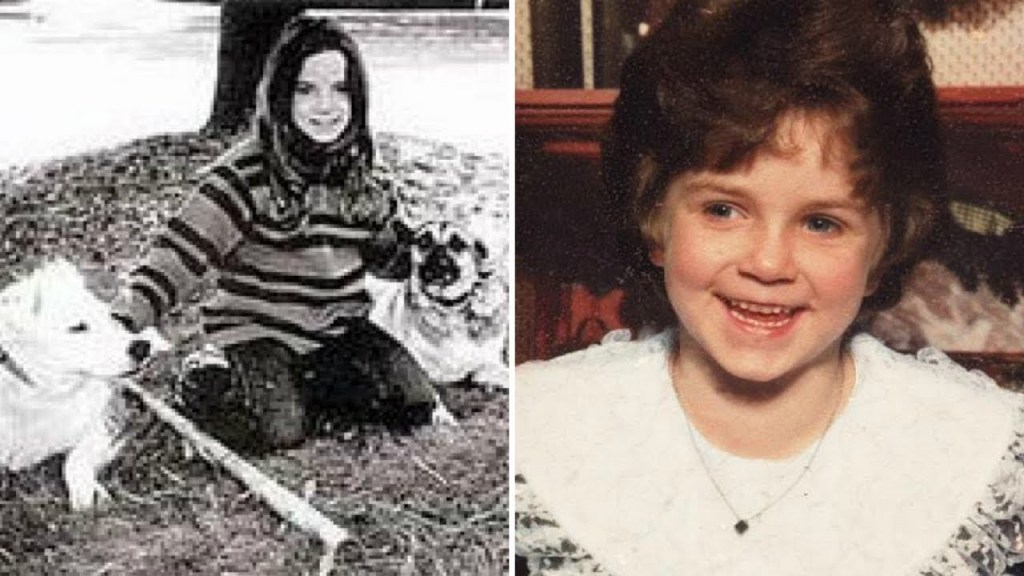
Beth Thomas, Child of Rage
- 6 year old Beth Thomas is brought to a clinical psychologist by her foster parents. Earlier Beth suffered severe sexual abuse from her biological father for months.
- Matching the RAD description perfectly, she presents detached, cold, indifferent to blood chilling details she describes
- Beth admits attempting to kill her foster parents, torturing and sexually abusing her brother, and killing baby birds, displaying what was perceived as “psychopathic” tendencies. Additionally, Beth is displaying inappropriate sexual behavior publicly
- Beth is officially diagnosed with RAD
- She enters controlled treatment and eventually shows signs of improvement, learning to communicate, attach, growing and healing.
- With the strict behavioral and talk therapy Beth learns to trust and to earn trust from the adults
- She is a healthy, fully functional and happy adult today, a published author and a RAD spokesperson
Although extremely successful, Beth’s full recovery and healing was later deemed controversial. The therapist responsible for Beth’s full rehabilitation, Connell Watkins, was the person involved in the death of another little girl, Candace Newmaker, diagnosed with reactive attachment disorder. Watkins and 3 other therapists performed then commonly used technique, “rebirthing therapy”, wrapping Candace in blankets and pillows and pushing on her little body, imitating contractions during birth. 10 year old Candace suffocated to death, the practice was banned, and all therapists involved were sentenced to jail time.
 Love and Therapy as Medicine in Healing Reactive Attachment Disorder